If every fool wore a crown, we would all be kings.
Have you ever thought about how strange the figure of the fool is? We find him in books, tarot cards, theatres, and even in royal palaces. He is the character who seems to speak nonsense but, deep down, conceals profound truths. He is an outsider, a rebel, an anarchist of the mind. But how did this figure come into being? And why does he continue to exert such an irresistible fascination?
The Origins of the Fool
The term “fool” comes from the Latin follis, meaning “a bag full of air”. An elegant way of saying “empty-headed”. But beware: behind this appearance of emptiness lies something far more complex.
Even in ancient times, madness was not seen only as a defect. There was divine madness, the kind that seized prophets, visionaries and warriors in battle. A warrior possessed by furor became unstoppable, fighting without fear, driven by an irrational energy.
Then came the Middle Ages, and the fool’s role changed. On the one hand, some regarded him as a lost soul, a heretic far from God. On the other, there were those who saw madness as a kind of mirror of human frailty. After all, who can truly claim to be wise?
The Jester: The Fool with a License to Speak
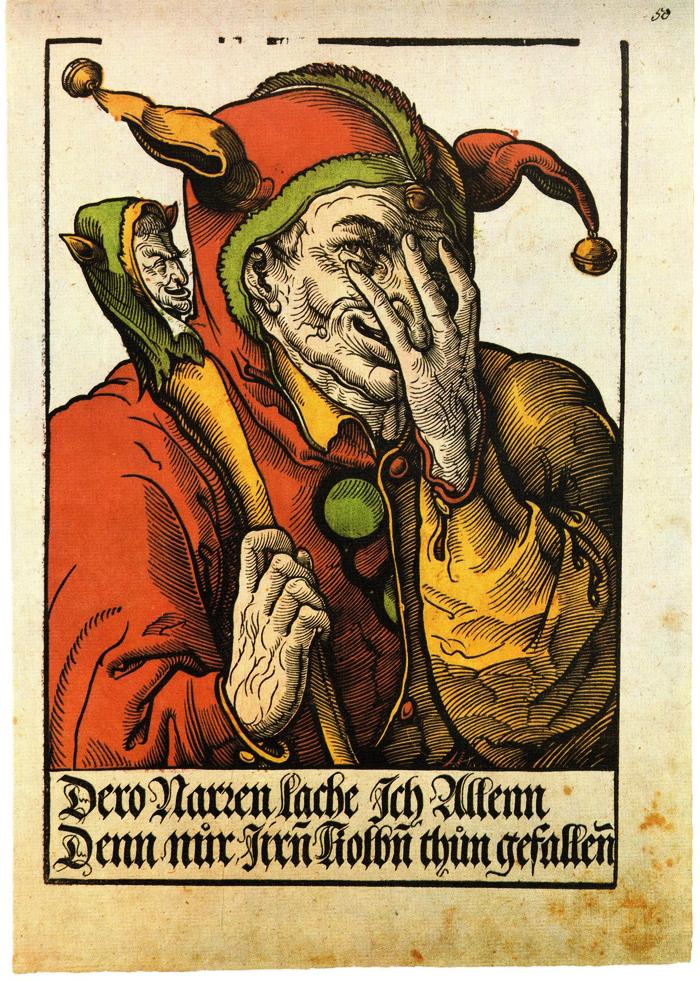
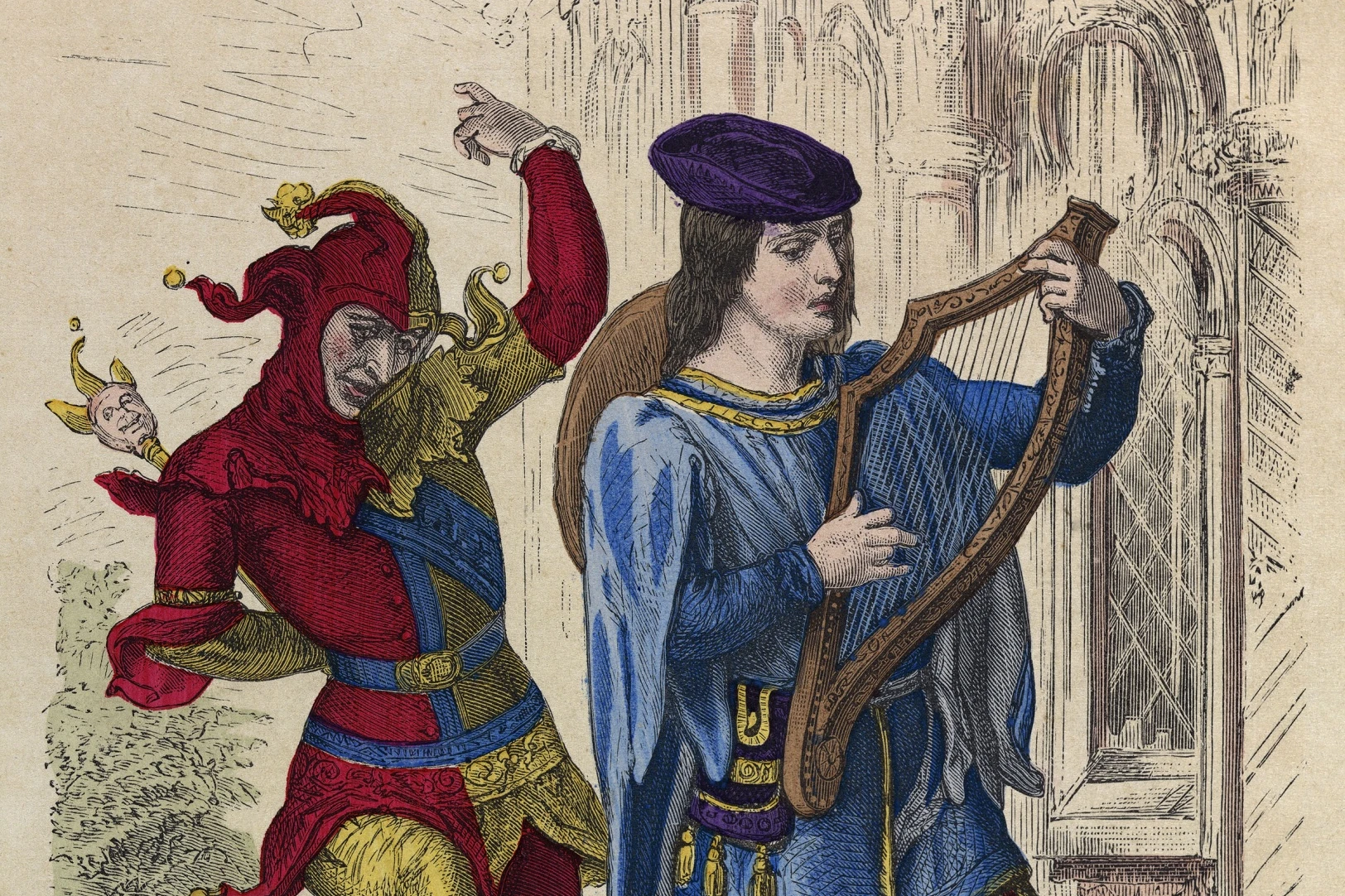
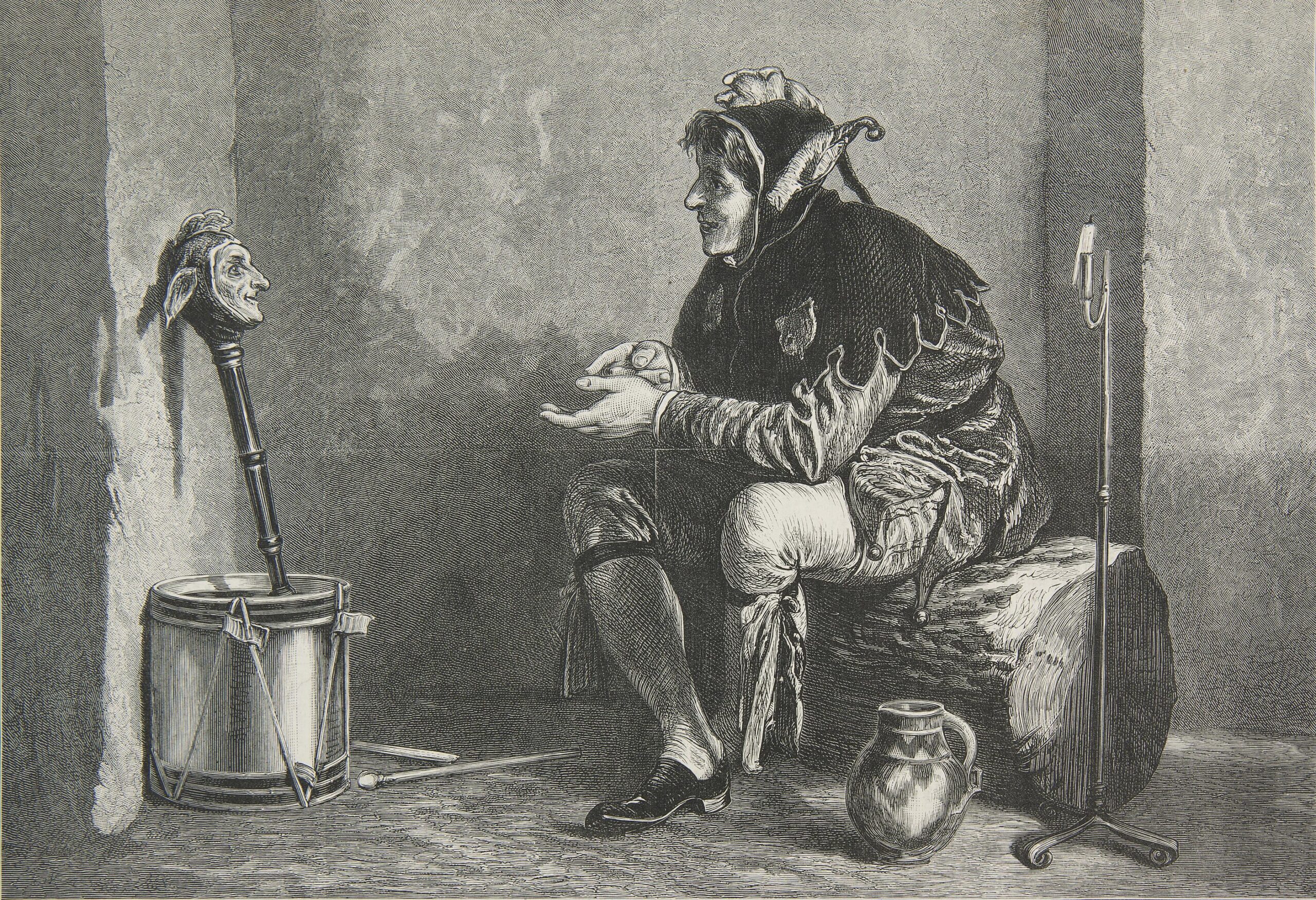
At a certain point, foolishness became a profession. The jester, the court fool, emerged: the one who could say anything without ending up on the gallows. He was the only person who could make fun of the king without losing his head—most of the time.
The jester had a special talent: he knew how to turn truth into play. Through jokes, stories, and songs, he exposed the hypocrisies of power. Sometimes he was simply a clown, other times a true adviser hidden behind a mask of madness.
But the fool did not find his place only in royal palaces. In squares and marketplaces there were jesters, versatile performers who blended theatre, satire, music, and acrobatics. The Church regarded them with suspicion, but the people adored them. They were the first “voices outside the chorus,” the antennae of an age without newspapers or social media.
The Fool in Books and Cards
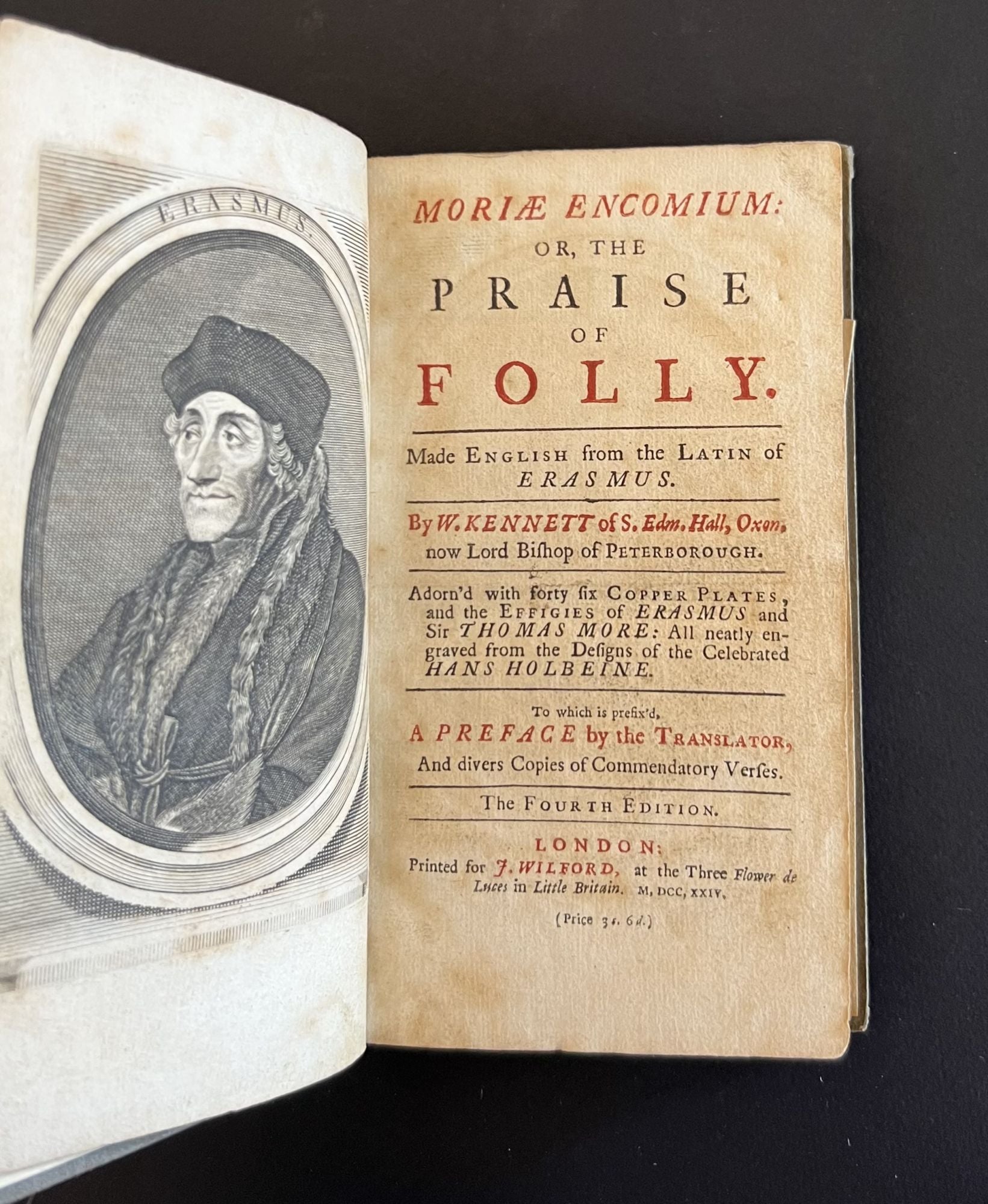
If there is one book that paid tribute to foolishness, it is In Praise of Folly by Erasmus of Rotterdam. Here, Folly speaks in the first person and mocks human wisdom. Because, after all, those who believe themselves to be too clever are often the greatest fools of all.
And then there are Shakespeare’s fools, those jesters who, between one laugh and another, are the only ones who speak the truth. Think of the Fool in King Lear, who seems mad but is the only one who truly understands what is happening.
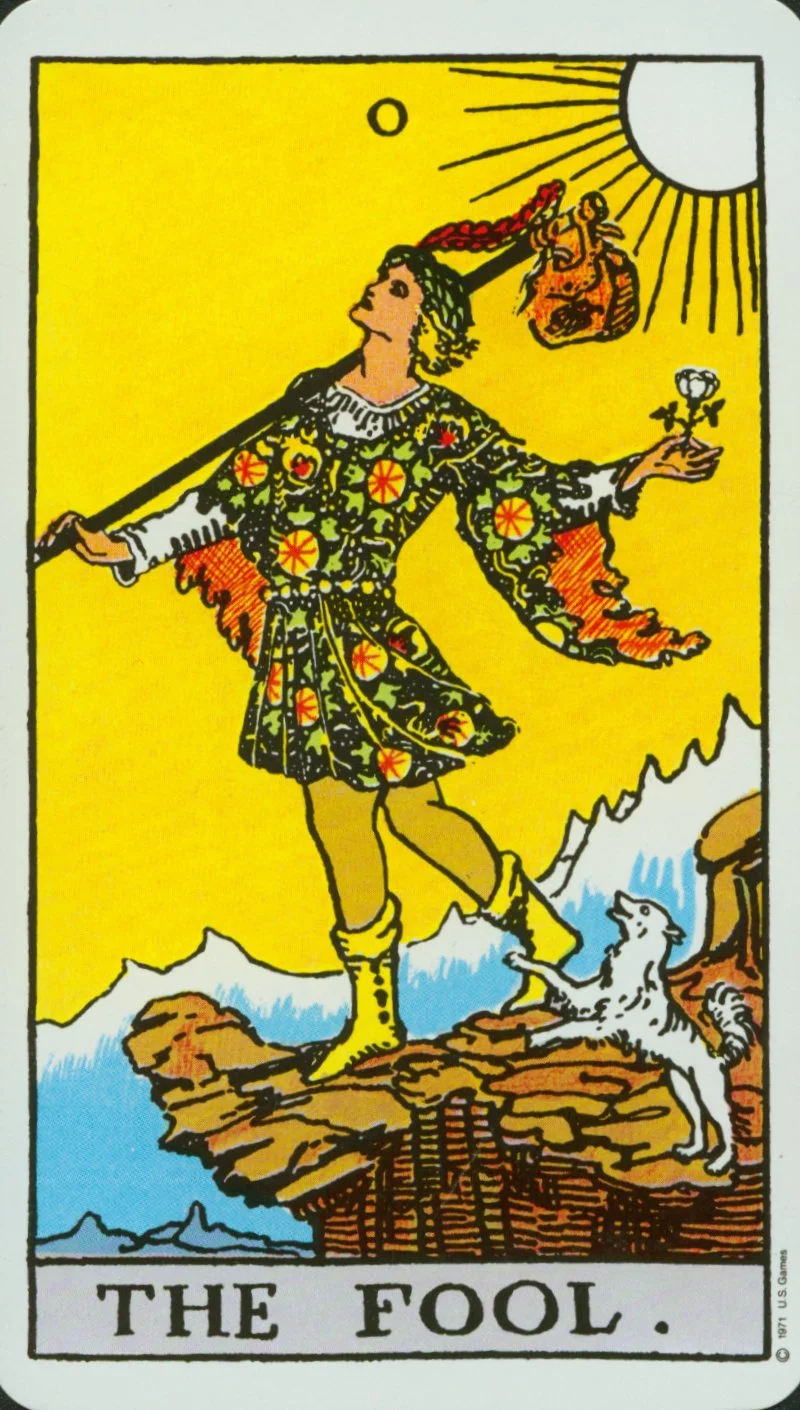
And what about the Tarot? The Fool is a special card, without a number. It can be zero or twenty-two, the beginning or the end. It is the symbol of the journey, the leap into the unknown, and absolute freedom.
From the Middle Ages to Today: The Modern Fool
Do you think the fool is a character from the past? Not at all! His legacy is still alive today.
Take Dario Fo, the great jester of the twentieth century. Through his monologues and plays, he gave new life to popular satire, making people laugh and think at the same time.
And then there is the idea of the fool as a visionary artist, someone who sees the world through different eyes and transforms it into something new. He is the rebel who refuses to accept the rules, the outsider who challenges the system with a laugh.
The Fool as a Warning
In the end, the fool is more than just a character: he is an idea, a symbol. He reminds us that normality is often an illusion, and that truth is not always where we expect to find it. He is an invitation to think for ourselves and not to be afraid of being different.
Because, as the Fool in the Tarot reminds us, sometimes we have to lose our way in order to find our path.